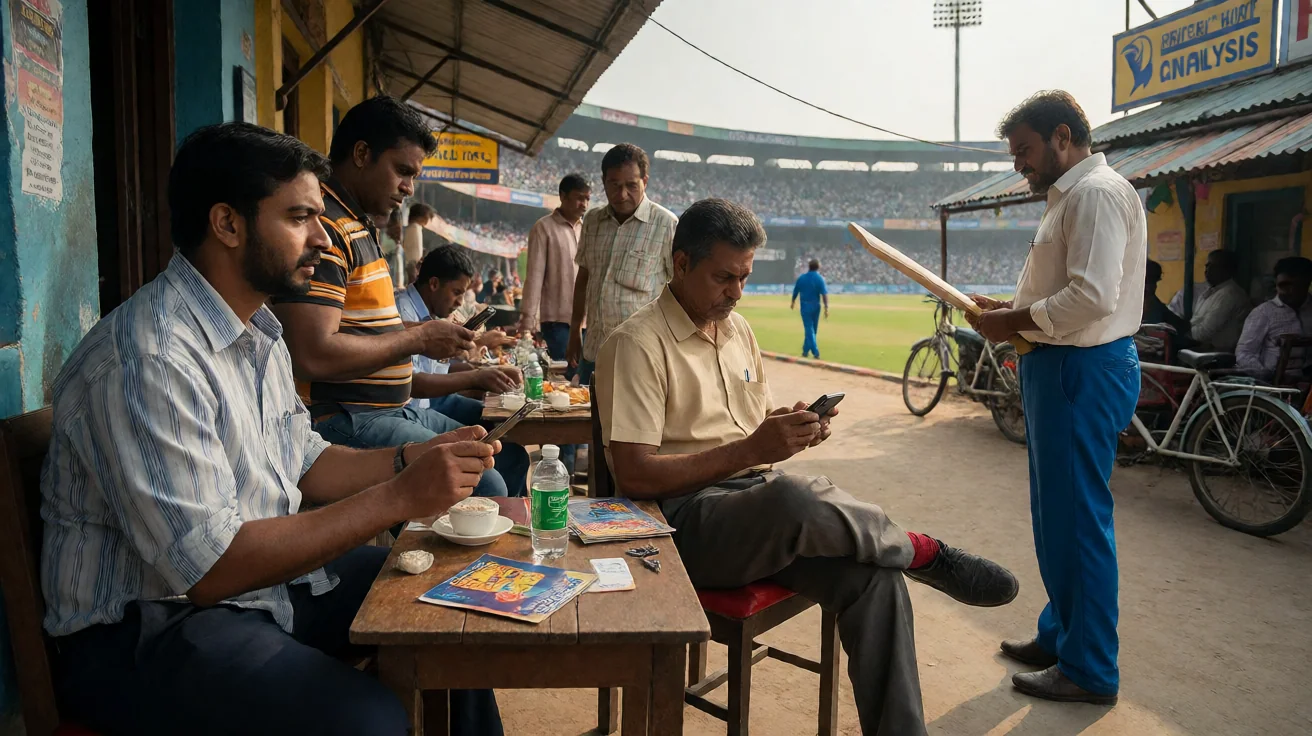
Cricket Analysis · Last reviewed 9 September 2026
What most IPL coverage misses about cricket analysis: reading the 240-ball match
An IPL fixture is 240 legal balls split across two innings, a powerplay, two middle-overs windows and a death, and most pre-match reading treats it as one event. The Cricuru Cricket Analysis desk reads it as three stacked contests and lets that ordering drive the XI call.
The story
What does cricket analysis actually have to settle before an IPL XI is picked?
It has to settle one question for an analyst reading a fixture: which of the three contests stacked inside the 240-ball match will decide the points column for the side you are backing. Powerplay, middle overs and death are three different economies, three different bowling skills and three different batting jobs. A reading that treats them as one number leaves the captaincy call exposed to the wrong over and the wrong role.
The desk treats cricket analysis in T20 cricket as a sequence of three sub-fixtures. Each has its own scoring rate, its own wicket value and its own bowling length that matters. Once the sequence is set, the XI call follows from how the named Impact Player maps onto it, how the toss changes the sequence for the chasing side, and how the surface report pushes the captaincy lane towards a top-order anchor or a death-overs specialist.
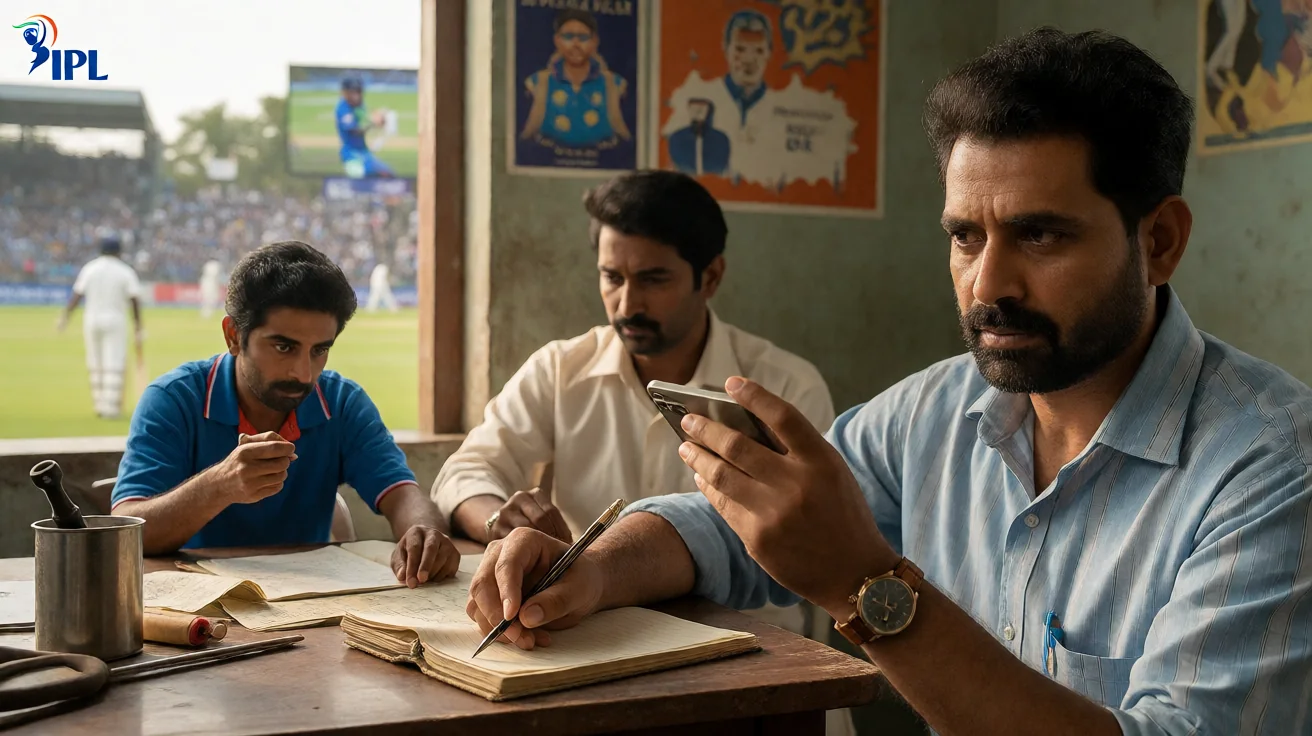
How does the 240-ball match split into three contests that an XI call can read?
The split is short, fixed and well-defined. Overs 1 to 6 are the powerplay: two fielders out, square boundaries short, the batting powerplay live. Overs 7 to 15 are middle: spinners settle, run rate drifts, dot-ball pressure compounds. Overs 16 to 20 are the death: full tosses and yorkers, square boundaries stretch, the dot becomes expensive and the boundary becomes cheap.
Each segment rewards a different player profile. Powerplay rewards an anchor who scores off pace on off stump or a strike bowler who lands three hard lengths in two overs. Middle overs reward a dot-bowl spinner who holds the run rate and a striker who reads length early. Death rewards a batter who clears the front boundary and a bowler who lands the blockhole six times out of ten. A fantasy XI built on average points per match ignores that the same player profile is worth three different numbers across those three segments.
The desk's working rule: a 35-run knock at strike rate 150 in the powerplay is a foundation. A 35-run knock at strike rate 150 in the death is a recovery. Both can read as the same box-score line on a scorecard. The phase decides what role the innings actually played.
Where does the role grid do the work that fantasy points can't see?
The role grid lists the eleven jobs a T20 side needs to fill across the three segments and prices each job in fantasy points per match under a normal surface. A balanced side has one powerplay anchor, one powerplay accelerator, one middle-overs anchor, one middle-overs striker, one death anchor, one death striker, one wicketkeeper-batter, one powerplay bowler, one middle-overs bowler and one death bowler, with the eleventh slot rotating by surface.
The grid is where the captaincy call lives. On flat decks with short square boundaries, chase is roughly 8 per cent better than defend, so the chase side takes a top-order captain and a powerplay specialist with the armband. On slow turners with longer square boundaries, defend is roughly 6 per cent better than chase, so the bowl-first side takes a bowler captain and a wicket-taking spinner with the armband. The same two players swap captaincy jobs between fixtures without either of them changing form.
Why is the 72-hour captaincy window the desk's decision clock?
The 72-hour window is the gap between squad announcement and toss. Three inputs land in that window: the playing XI, the surface report and the dew forecast. Each one is a separate test. The XI is read for role balance and for whether the named Impact Player is a bowling or batting substitution. The surface report is read for grass cover, square-boundary length and turn. The dew forecast is read for whether a chase is worth the toss risk or whether bowl-first is the cleaner path to a controllable total.
The captaincy lane is decided at the end of the 72-hour window, not at the start. A powerplay-over captain who looked correct on Monday can be wrong by Wednesday if the toss shifts the chase-defend split, or if the surface report confirms a two-paced track that drags the contest into the middle overs. The desk treats any captaincy call made before the 72-hour window ends as provisional and rewrites it once the final input lands.
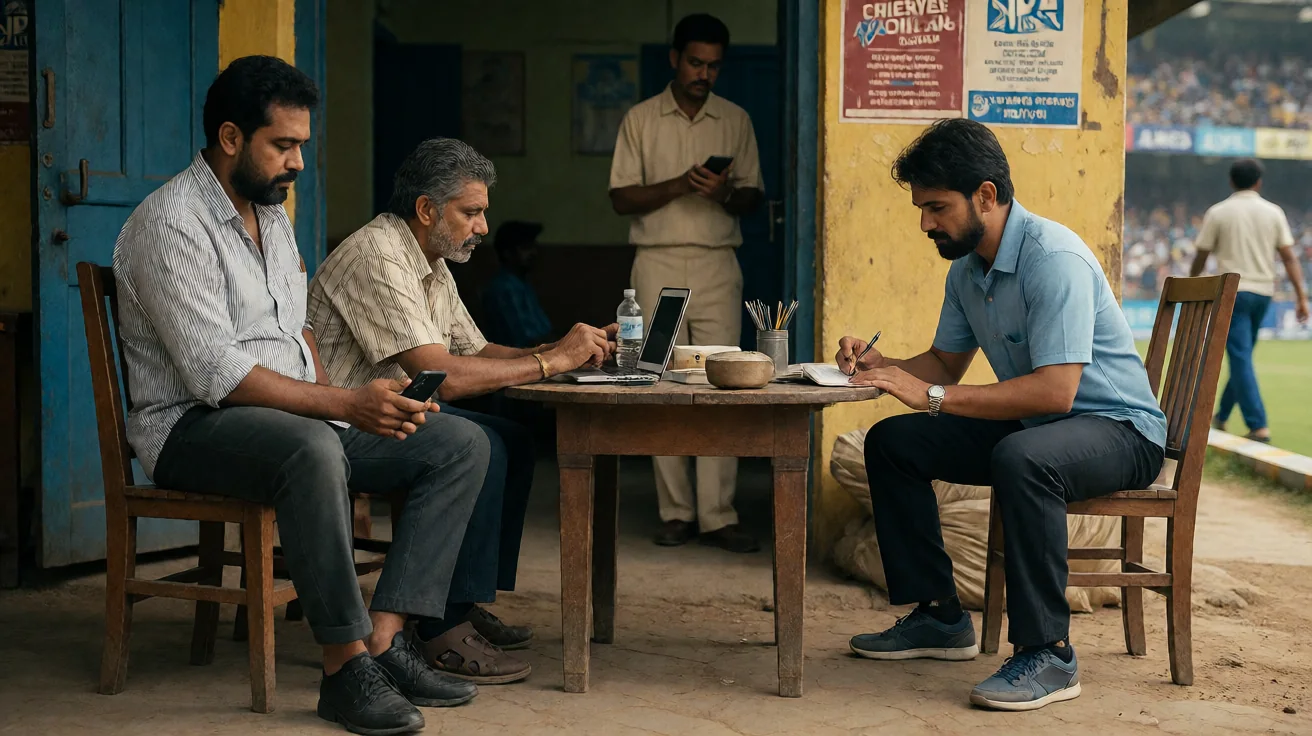
What does the desk track after the first innings ends?
Three things. First, the actual versus expected run rate at the end of each segment, which tests whether the surface played slower or faster than the report and how that should shift the chase-defend call for the second innings. Second, the bowler usage chart, which shows which bowler held the dot-ball pressure in the middle overs and which death bowler landed the blockhole. Third, the impact Player swap pattern, which records whether the franchise used the bowling Impact Player in the powerplay or held the substitution back for the death.
Those three records feed the next fixture. A slow surface in match three moves the captaincy lane to a spin captain for match four. A powerplay Impact Player who landed three dot balls in match four reads as the named Impact Player in match five against the same opposition. The cricket analysis cycle is short, but the input list is short too, and the desk treats the post-innings notes as the load-bearing input for the XI call that lands at the end of the next 72-hour window.
The full archive of Cricuru Cricket Analysis readings, phase splits, chase-versus-defend decision trees and the 72-hour window routine lives on the Cricket Analysis index, refreshed weekly through the season.