Reading the scoreboard as the read
A scoreboard shows the result; the read shows the next phase. The next powerplay over is the next input.
Cricuru · Independent fantasy cricket desk
The shape of a T20 innings tells you most of what you need before the points are tallied. A Cricuru match read is built from powerplay run rate, wickets in hand, and bowling-share signals.
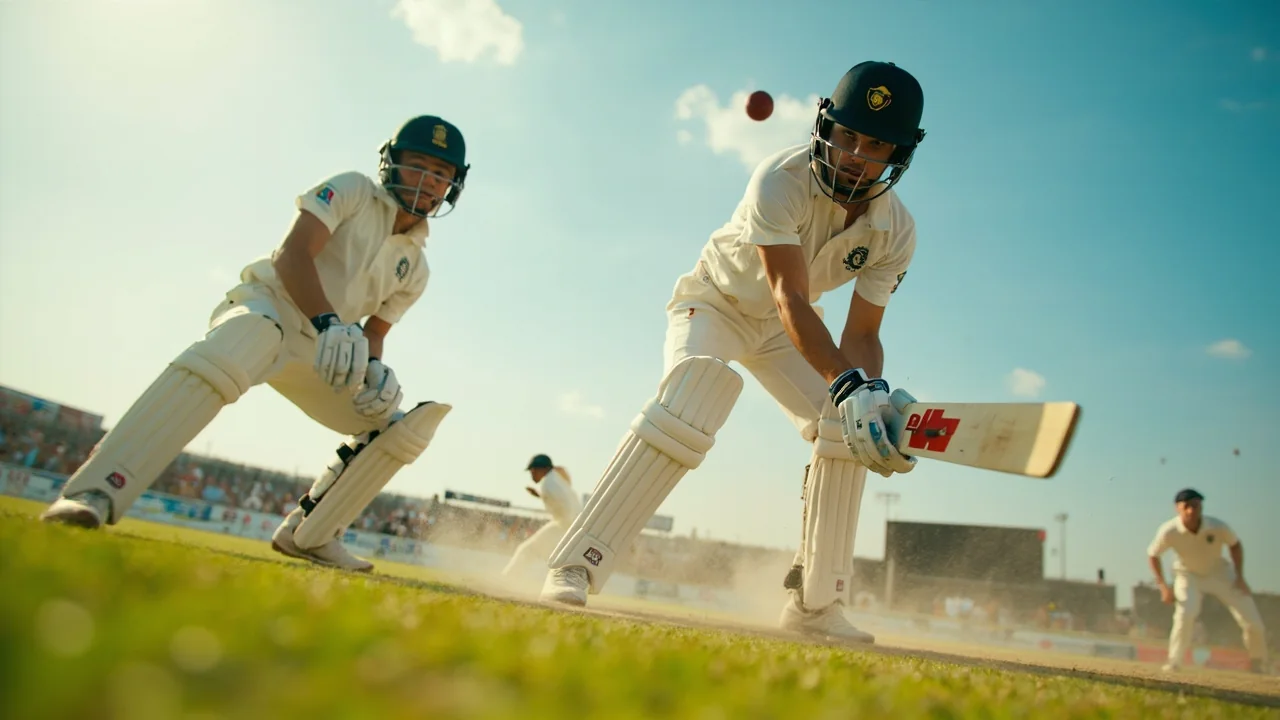
Match context

Watching context
A match watched from the lower seating bowl gives a different read than one watched from the boundary rope. Spinners look more effective from above; pacers look more effective from the side. Cricuru match reads assume the boundary view, not the broadcast view, because that is where the role allocation is legible.
If your read depends on a slow-motion replay, it is not a read — it is a highlight.
Innings break
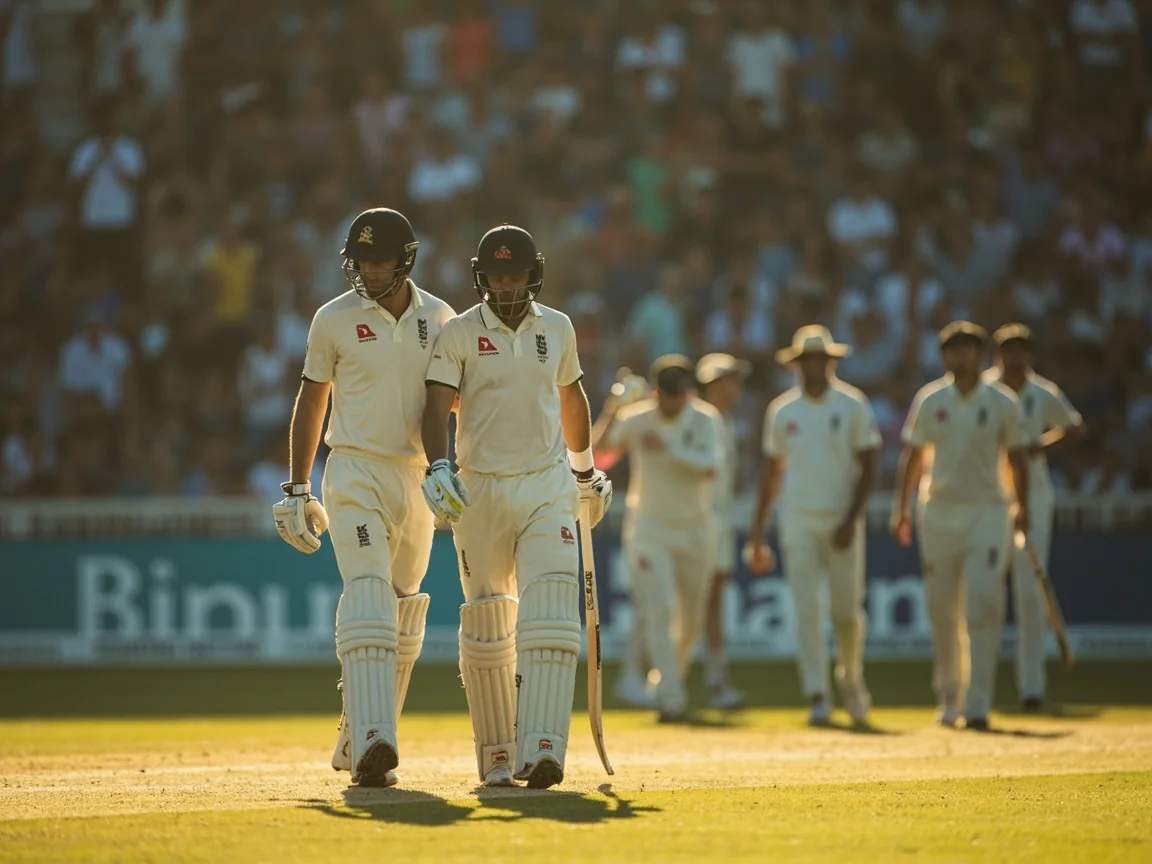
Innings interval
The innings break is the only moment both sides share the same information. Pitch wear is now visible. Dew expectation is updated. Bowling plans are reset. A chase planned during the break is a chase planned with the same information both captains have — which means it is the cleanest read you will get all night.
Lock the chase plan in the break. After the restart, you are reacting, not planning.
FAQ
No. Cricuru is an editorial desk, not a live score service. We publish pre-fixture and post-fixture analysis; live numbers belong to verified broadcasters and operator apps.
Powerplay reads use three signals: wickets in hand at the end of six overs, run rate at the end of six overs, and which bowling type has been used most. Combine those three and you can usually classify the innings as anchor, attack, or recovery.
Pitch wear, visible at the break, is the single most useful signal for the chase. A surface that has visibly deteriorated tells you the second innings is a different match to the first.
Live matches FAQ
No. Cricuru is an editorial desk, not a scoring service. For live scores we link to a public ball-by-ball provider and focus on the read — what to watch next, why a phase is shifting.
A short note on what the next hour of play is likely to test: pace versus spin, dew band, death-overs bowling plan. It is not a prediction; it is a framework the reader can apply during play.
When a rain stoppage is announced, Cricuru notes the DLS par and what it means for the role allocation — typically, fewer overs rewards batting depth and rewards death bowling. We do not invent a revised score.
No. Over-by-over commentary is the work of the official broadcaster. Cricuru publishes the read layer on top — what the next six balls are testing.
Most operators allow a captain switch until the deadline, not during the match. Cricuru's live read is a learning layer, not a switching tool.
DLS in T20s is rare because the reserve time is short, but it does happen — usually in the second innings of a delayed start. When DLS is in play, Cricuru notes the par score and what it means for the role allocation rather than forecasting a revised target.
More pitfalls
A scoreboard shows the result; the read shows the next phase. The next powerplay over is the next input.
Most operators lock captaincy at the contest deadline. A live read is a learning layer, not a switching tool.
A dew band in the second innings shifts the toss calculus. A read that does not include dew is incomplete.
When rain interrupts, the DLS par is the input the read uses. A revised score is an outcome, not a forecast.
A phase shift — powerplay wicket, dew, slow over rate — changes the role allocation. A live read is a sequence of phase reads, not a single observation.
Common pitfalls
A scoreboard shows the result; the read shows the next phase. The next powerplay over is the next input.
A dew band in the second innings shifts the toss calculus. A read that does not include dew is incomplete.
When rain interrupts, the DLS par is the input the read uses. A revised score is an outcome, not a forecast.
Over-by-over commentary is the broadcaster's read. Cricuru's live read is the editorial layer; use both, do not confuse them.
A phase shift — powerplay wicket, dew, slow over rate — changes the role allocation. A live read is a sequence of phase reads, not a single observation.
Most operators lock captaincy at the contest deadline. A live read is a learning layer, not a switching tool.
How Cricuru covers live matches.
Our sources: the official broadcaster's over-by-over feed, the operator's in-app commentary, and a venue-level read for dew, boundary dimensions and surface wear. Where a rain stoppage occurs, Cricuru notes the DLS par rather than forecasting a revised score.
What Cricuru does not publish: live scorecards, win-probability gauges, paid live-tips, and any output that frames a single phase as decisive without the inputs that produced it.
Verification cadence: per-over refresh during marquee matches; per-over updates only when the phase meaningfully shifts; a post-match recap after the contest settles.
What changes during a match: a wicket in the powerplay shifts the role allocation; a dew band in the second innings shifts the toss calculus; a slow-over-rate penalty shifts the bowling rotation. Cricuru's live read notes the shift and what it means for the role allocation rather than forecasting a score.
What to watch next: the next powerplay wicket; the death-overs bowling rotation; the dew band if it appears in the second innings. The next live-read update carries the next phase.
Why this matters: the live read is the layer where editorial analysis compounds. A reader who watches with a framework — powerplay wicket, dew band, death-overs rotation — learns faster than a reader who watches a scoreboard. Use the live read as a learning layer.
How to use this page: (1) watch the next powerplay over-by-over; (2) note the dew band when it appears; (3) re-read the role allocation at the next wicket. The live read is a learning layer; the operator's in-app commentary is the score layer.
Related guides
Guide
Selection logic for the next fixture.
Guide
Pre-match scenarios and post-toss tables.
Guide
IPL-specific reads and venue variation.
Guide
Role-by-role player reads.
Guide
Lineup builder and captain matrix.
Guide
Beginner process guide.
Last reviewed: 2026-07-25 IST · Source: Cricuru editorial desk · Next refresh: post-fixture · Editorial guidance only