Reading the dew band too late
Dew usually appears in the second innings of a day game. A pre-match read that does not include the dew band is incomplete by the second innings.
Cricuru · Independent fantasy cricket desk
Pre-fixture scenario briefs built from venue, weather, toss and role allocation — designed to give you two workable sides, not one winner.
Methodology
01
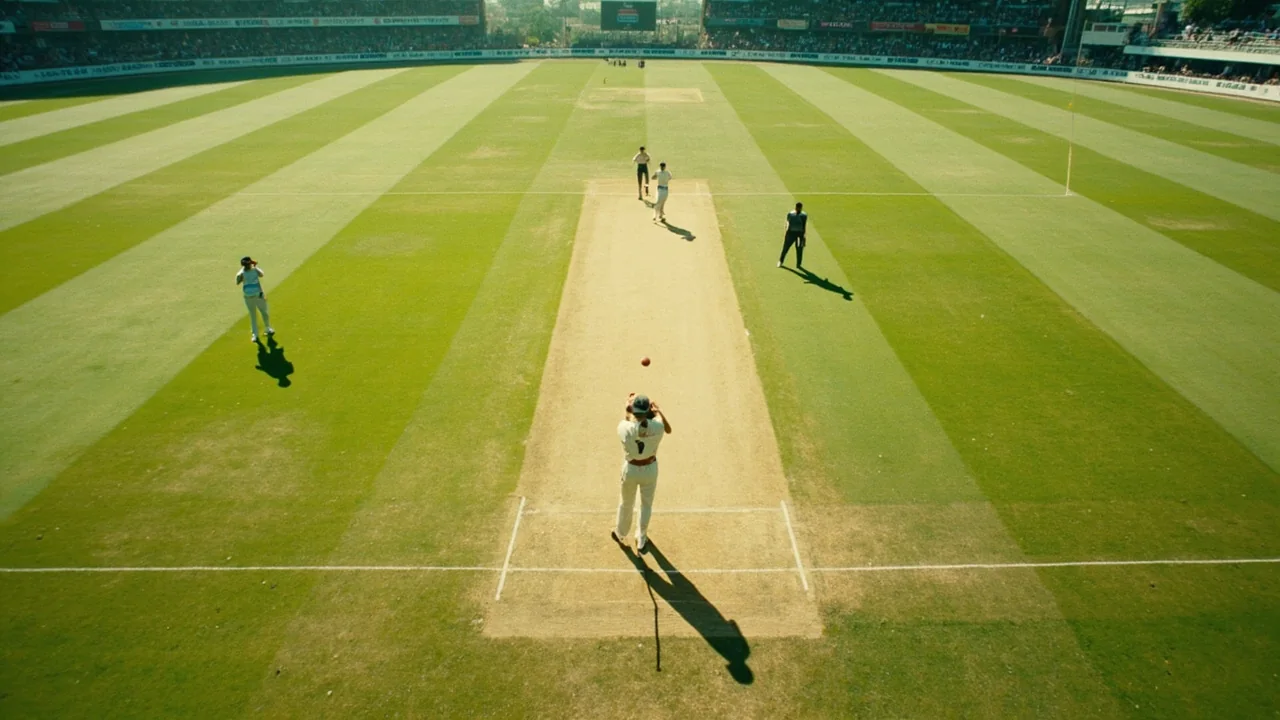
Surface type, boundary dimensions, chase win rate and pace-vs-spin share across a defined window. Each number is tied to a named source.
02
Dew likelihood, cloud cover and expected pitch behaviour. Weather changes which side of the toss is preferred — and which bowling type carries more risk.
03
Two post-toss sides: one improved by batting first, one improved by chasing. The framework collapses if you only have a plan for one outcome.
04
Captaincy is a risk allocation, not a prediction. Compare candidates across opportunity, role security and downside.
Weather & conditions
Conditions brief
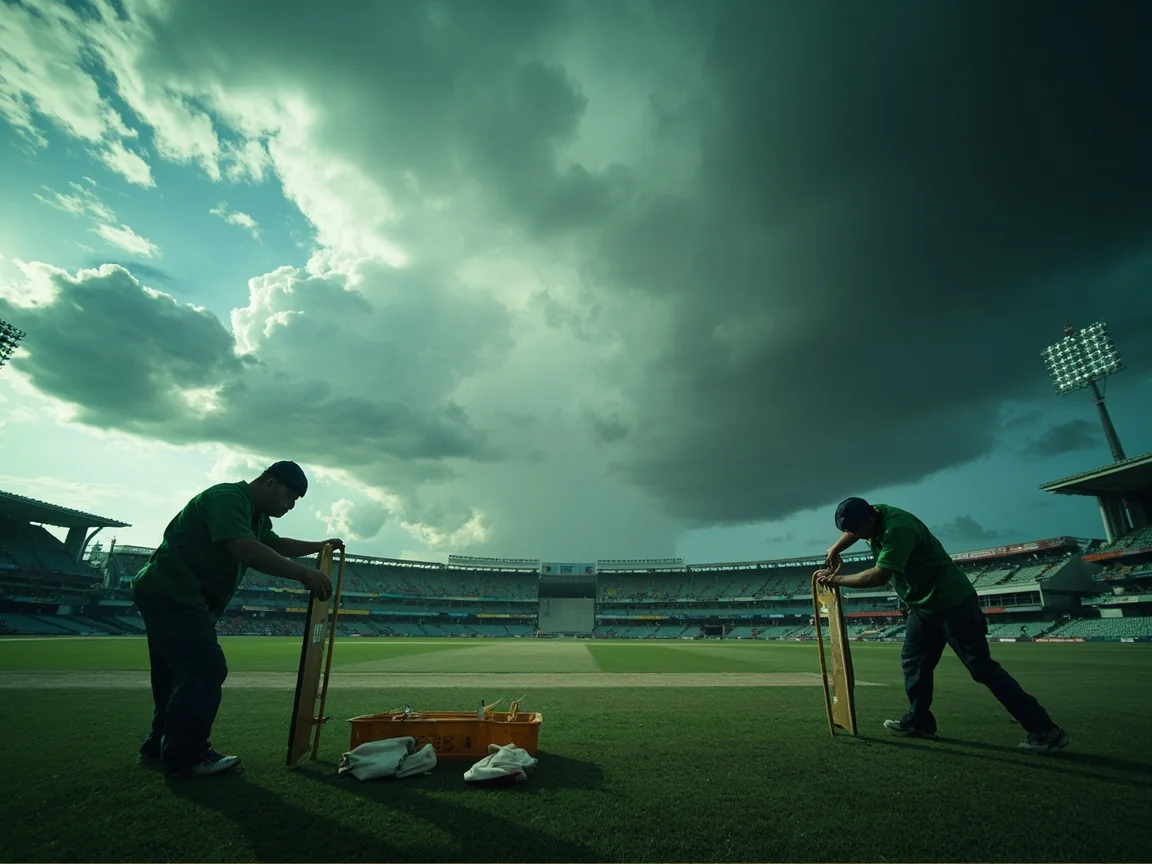
Dew lengthens the bowling grip window and pushes captain preference toward chasing. Cloud cover helps swing bowling early. Humidity slows the outfield. None of these are decisive alone — together they shift which side of the toss is preferred.
A pitch report that ignores the cloud is a pitch report you should treat as half-finished.
Toss context
Decision table
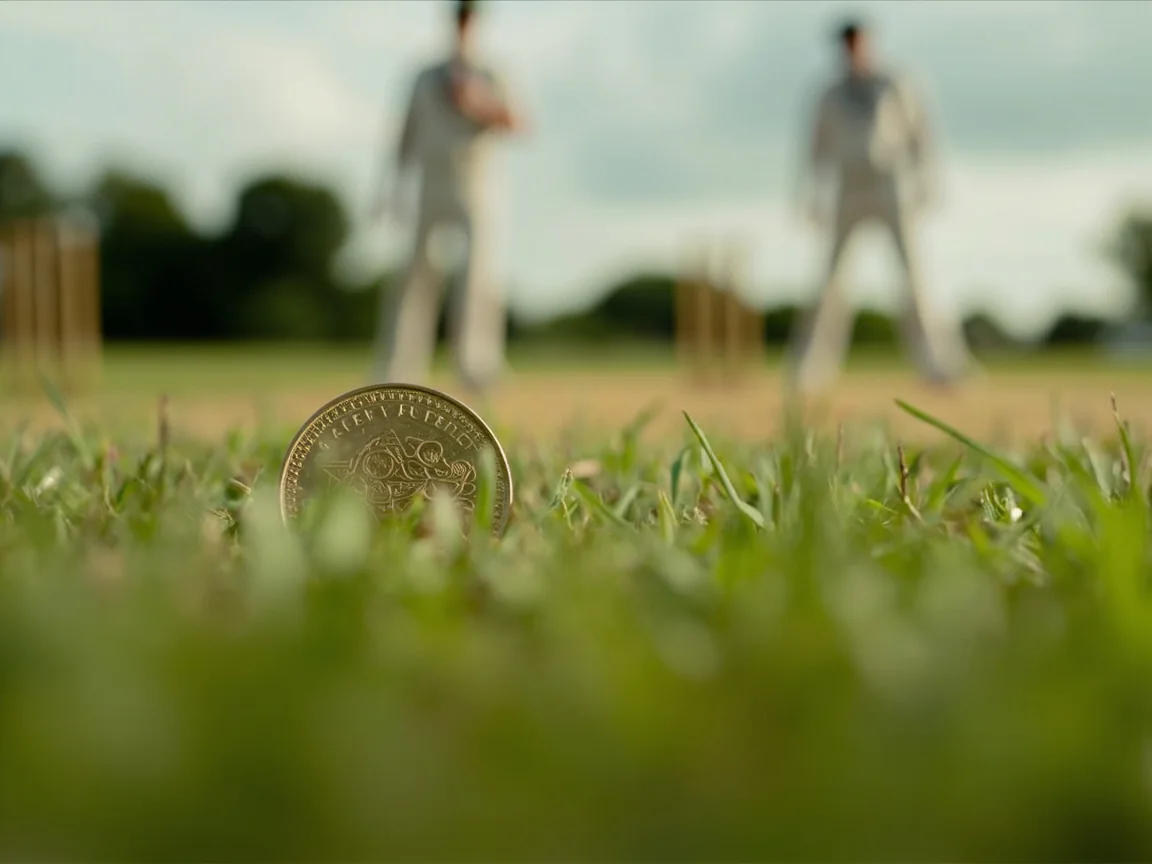
If chasing is preferred, anchor your side with one extra seamer and a wicketkeeper-batter captain if powerplay wickets are expected. If batting first is preferred, top-order heavy with a spinner covering the middle phase. Both sides share the same role balance; only the names shift.
Refresh after the toss. Do not pre-commit to a side that depends on a toss you have not seen.
FAQ
Cricuru publishes scenario-led analysis and a captaincy framework. We do not publish a winner prediction, a confidence percentage or a fabricated 'best pick' verdict.
Match briefs are reviewed pre-fixture and again immediately after the toss. Time-sensitive fields carry a 'Last verified' timestamp and a named source.
Venue datasets come from public cricket records over a defined window (typically the last three completed seasons at that ground). Where a number cannot be sourced, it is labelled illustrative.
Predictions FAQ
No. Win probabilities are an output of private models with assumptions that aren't visible to readers. Cricuru publishes scenario-led analysis instead: conditions, role, post-toss decision tables and captaincy reasoning.
A best-pick label encourages a single-factor read and conceals downside. Cricuru uses a captaincy framework built from opportunity, role security and downside — three columns you can apply to any short-format fixture.
Weather is treated as a separate input, not as part of the team-news call. If the Duckworth–Lewis–Stern reserve time is meaningful, we flag DLS scenarios; otherwise we note the wet-ball implication for spinners and the fielding side.
Toss decisions change role shares — openers in a chase, death-overs bowlers when defending — and they change selection logic. Cricuru publishes a post-toss update for the marquee matches each round.
Yes. SA20, BBL, CPL, The Hundred and bilateral T20Is appear when they have fantasy relevance. Coverage depth scales with the size of the contest pool and the quality of confirmed squads.
No. A top-three list rewards a single factor — usually recent form — and hides the inputs that matter. Cricuru publishes a captaincy framework instead. The reader applies the framework to the squad, not the other way around.
More pitfalls
Dew usually appears in the second innings of a day game. A pre-match read that does not include the dew band is incomplete by the second innings.
Bowling-side wins are common, but the role allocation depends on the venue. Read the chase-vs-defend split before overweighting either side.
Captain multiplier, role limits, edit window and result-settlement vary by operator. Read the operator's rules before the lineup lock.
A powerplay wicket shifts the role allocation more than any other event. The captaincy read should include the powerplay-wicket scenario.
A change in the broadcast channel can affect the over-by-over data feed. Confirm the broadcast channel before relying on a feed.
Common pitfalls
A confidence rating is an output, not an input. The inputs to a prediction are visible on the venue read and the captaincy framework.
The toss changes the role allocation more than any pre-match analysis. A prediction without a post-toss layer is incomplete.
T20 analyses emphasise powerplay wickets and death-overs execution. ODI analyses emphasise middle-overs pressure. Do not read a T20 prediction as if it were an ODI prediction.
Captain multiplier, role limits, edit window and result-settlement vary by operator. Read the operator's rules before the lineup lock.
Opportunity, role security and downside are three columns. A captaincy read without all three is a guess.
A rain forecast is an input, not an outcome. Use the DLS reserve time and the wet-ball implication rather than a rain-percentage.
How Cricuru covers match predictions.
Our sources: confirmed squads, the venue's published pitch report where available, a named dataset for ground statistics, and the operator's published points table. We do not publish a confidence rating because confidence ratings are an output of private models whose assumptions are not visible to readers.
What Cricuru does not publish: win probabilities, paid predictions, paid tips, and any output that frames a single ‘best pick’ as authoritative. The post-toss update is published as a separate page once the toss is confirmed; the pre-match page is not edited to look like it predicted the toss.
Verification cadence: pre-fixture refresh on confirmed XI; post-toss update at toss time; a fixture post-mortem after the match settles. Where a methodology changes, the change is dated.
What changes with format: T20 analyses emphasise powerplay wickets and death-overs execution; ODI analyses emphasise middle-overs dot-ball pressure and the seventh-wicket stand; Tests are out of scope for fantasy captaincy but appear as tournament context. Cricuru's captaincy framework is the same across formats; the weight on each column shifts.
What to watch next: a confirmed XI that breaks the projected combination; a venue report that mentions dew (chase advantage rises); a captain-confirmed impact-player registration that opens an extra slot. The next match guide carries the update.
Why this matters: pre-match analysis is the layer where the reader can build an edge without insider data. A scenario-led read is more durable than a confidence rating because the inputs are visible. Carry the framework into the post-toss update; the same columns apply.
How to use this page: (1) read the captaincy framework before the lineup lock; (2) read the venue and weather read in the same session; (3) re-read the captaincy framework after the toss and apply the post-toss update. The framework is the constant; the inputs change.
Related guides
Guide
Selection logic and editorial frameworks for fantasy.
Guide
IPL-specific previews and venue reads.
Guide
How to read a live match without a scorecard.
Guide
Role-by-role player reads.
Guide
Lineup builder and captain matrix.
Guide
Process guide without promotional padding.
Last reviewed: 2026-07-25 IST · Source: Cricuru editorial desk · Next refresh: post-fixture · Editorial guidance only